


Wednesday, May 28, 2025

Hydrolyzed Vegetable Protein (HVP) has emerged as a cornerstone ingredient in the modern food industry, transforming how manufacturers approach flavor enhancement, protein fortification, and cost-effective food production. This versatile ingredient represents a significant advancement in food technology, offering both nutritional benefits and economic advantages across multiple industry sectors.
Hydrolyzed Vegetable Protein is produced through the controlled breakdown of plant proteins using acid hydrolysis, enzymatic processes, or alkaline treatment. This process converts complex proteins into smaller peptides and amino acids, creating a product rich in glutamic acid and other flavor-enhancing compounds. The resulting ingredient possesses umami characteristics that enhance the savory taste profile of foods.
The most common sources for HVP production include soybeans, wheat gluten, corn protein, and other plant-based protein sources. Each source contributes unique characteristics to the final product, allowing manufacturers to select HVP variants that best suit their specific applications.
Production Methods and Technology
Acid Hydrolysis
The traditional acid hydrolysis method involves treating vegetable proteins with hydrochloric acid at elevated temperatures. This process breaks down protein chains into amino acids and peptides, creating the characteristic flavor compounds that make HVP valuable as a taste enhancer. Modern production facilities employ sophisticated control systems to optimize hydrolysis conditions and ensure consistent product quality.
Enzymatic Hydrolysis
Enzymatic processes use specific proteases to break down proteins under controlled conditions. This method offers greater precision in controlling the degree of hydrolysis and can produce HVP with specific amino acid profiles. Enzymatic hydrolysis typically results in cleaner flavor profiles and reduced formation of unwanted byproducts.
Alkaline Treatment
Some HVP production involves alkaline treatment followed by neutralization. This method can be particularly effective for certain protein sources and applications where specific functional properties are desired.
Nutritional Profile and Benefits
HVP provides a concentrated source of amino acids, including both essential and non-essential varieties. The hydrolysis process increases the bioavailability of amino acids, making them more readily absorbed by the human body. This characteristic makes HVP particularly valuable in nutritional applications and protein supplementation.
The high glutamic acid content in HVP contributes to its umami flavor properties while also providing nutritional benefits. Glutamic acid serves as a neurotransmitter precursor and plays important roles in protein metabolism and immune function.
Industrial Applications
Food Manufacturing
The food processing industry represents the largest market for HVP applications. Manufacturers incorporate HVP into soups, sauces, gravies, seasoning blends, snack foods, and processed meats. The ingredient serves multiple functions including flavor enhancement, protein fortification, and cost optimization.
In soup manufacturing, HVP provides the savory base notes that consumers associate with rich, satisfying broths. The ingredient allows manufacturers to achieve consistent flavor profiles while reducing reliance on more expensive flavor ingredients.
Seasoning and Flavor Industry
HVP serves as a fundamental building block in seasoning formulations. Its natural umami characteristics enhance other flavors without overpowering them, making it ideal for creating complex flavor profiles in dry seasonings, liquid seasonings, and flavor bases.
The ingredient proves particularly valuable in creating meat-like flavors for vegetarian and vegan products. This application has gained significant importance as plant-based meat alternatives continue to grow in popularity.
Snack Food Production
The snack food industry utilizes HVP to enhance the savory characteristics of chips, crackers, and other processed snacks. The ingredient helps create satisfying flavor experiences that encourage consumer repeat purchases.
Processed Meat Industry
In processed meat applications, HVP serves both as a flavor enhancer and a protein extender. The ingredient can improve the perceived meatiness of products while potentially reducing overall production costs.
Economic Advantages
Cost Effectiveness
HVP offers significant cost advantages compared to other protein sources and flavor enhancers. The ingredient provides high functionality at relatively low inclusion rates, making it economically attractive for large-scale food production.
Protein Fortification
Food manufacturers can use HVP to increase the protein content of products without significantly altering taste, texture, or appearance. This capability proves valuable in developing nutritionally enhanced products that meet consumer demands for higher protein content.
Shelf Stability
The processed nature of HVP contributes to excellent shelf stability, reducing storage and handling costs compared to fresh protein ingredients. This characteristic makes HVP particularly suitable for products with extended shelf lives.
Quality Considerations and Standards
Purity and Contamination Control
Modern HVP production emphasizes stringent quality control measures to ensure product purity and safety. Manufacturers implement comprehensive testing protocols to monitor for potential contaminants and ensure compliance with food safety regulations.
Standardization
The HVP industry has developed standardized specifications for different grades and types of products. These standards help ensure consistency across suppliers and enable food manufacturers to achieve predictable results in their formulations.
Regulatory Compliance
HVP production and use must comply with various food safety regulations across different markets. Manufacturers must navigate requirements related to labeling, processing standards, and safety protocols.
Technological Innovations
Enhanced Processing Methods
Ongoing research focuses on developing more efficient and environmentally sustainable production methods. Advanced processing technologies aim to improve yield, reduce energy consumption, and minimize waste generation.
Specialized Formulations
Innovation in HVP development includes creating specialized formulations for specific applications. These may include low-sodium variants, organic certified products, or formulations optimized for particular food categories.
Functional Improvements
Research continues into enhancing the functional properties of HVP, including improvements in solubility, stability, and flavor characteristics. These developments expand the potential applications for HVP across various food categories.
Market Trends and Future Outlook
Growing Demand for Natural Ingredients
Consumer preferences for natural and minimally processed ingredients drive demand for HVP as an alternative to synthetic flavor enhancers. The plant-based origin of HVP aligns with consumer desires for more natural food products.
Plant-Based Food Movement
The expanding plant-based food sector creates new opportunities for HVP applications. The ingredient's ability to enhance savory flavors makes it valuable in developing meat alternatives and other plant-based products.
Global Market Expansion
Emerging markets represent significant growth opportunities for HVP applications. As food processing industries develop in these regions, demand for cost-effective flavor and protein ingredients continues to grow.
Environmental Considerations
Sustainability Benefits
HVP production can contribute to sustainability goals by utilizing plant protein sources that typically have lower environmental impacts than animal proteins. The efficient use of vegetable proteins supports more sustainable food production systems.
Waste Reduction
Some HVP production utilizes protein sources that might otherwise represent waste streams from other food processing operations. This approach supports circular economy principles and reduces overall waste generation.
Challenges and Limitations
Regulatory Scrutiny
Increasing regulatory scrutiny of food processing methods and ingredients requires HVP manufacturers to maintain rigorous documentation and compliance programs. This regulatory environment can increase operational complexity and costs.
Consumer Perception
Some consumers express concerns about highly processed ingredients, potentially limiting market acceptance in certain product categories. Education about the safety and benefits of HVP remains important for market development.
Competition from Alternatives
The development of alternative flavor enhancement technologies and protein sources creates competitive pressure on HVP applications. Manufacturers must continue innovating to maintain market position.
Conclusion
Hydrolyzed Vegetable Protein represents a mature yet evolving ingredient technology that continues to play important roles across multiple food industry sectors. Its combination of functional benefits, economic advantages, and versatility ensures continued relevance in modern food production.
The future success of HVP will depend on continued innovation in production methods, expanding applications in emerging food categories, and maintaining consumer acceptance through transparent communication about benefits and safety. As the global food industry continues to evolve toward more sustainable and cost-effective solutions, HVP is well-positioned to remain a valuable tool for food manufacturers worldwide.
Understanding HVP's capabilities and limitations enables food industry professionals to make informed decisions about its incorporation into their products and processes, ultimately contributing to more efficient and sustainable food production systems.

Saturday, May 24, 2025

Dairy
chocolate represents one of the most beloved and versatile confections in the
culinary world, offering an expansive palette of flavors that has captivated
taste buds across cultures and generations. Unlike its darker counterparts,
dairy chocolate's creamy foundation provides the perfect canvas for an
extraordinary range of flavor combinations, from traditional classics to
innovative modern creations that push the boundaries of what chocolate can be.
The Foundation of Dairy Chocolate
The
distinctive character of dairy chocolate begins with its fundamental
composition. The addition of milk powder or condensed milk to cocoa solids and
cocoa butter creates a smoother, milder base that allows other flavors to shine
without being overwhelmed by intense cocoa bitterness. This creamy foundation
typically contains between 10-50% cocoa solids, with the remainder comprising
sugar, milk components, and various flavorings that transform simple chocolate
into complex taste experiences.
The milk
component itself contributes significantly to the flavor profile, adding subtle
notes of sweetness, richness, and a characteristic tang that varies depending
on the source and processing method. Swiss dairy chocolate, for instance, often
features a distinctly clean, alpine freshness, while Belgian varieties might
emphasize deeper, more luxurious cream notes.
Classic Flavor Profiles
Traditional
dairy chocolate flavors have stood the test of time for good reason. Vanilla
remains perhaps the most popular enhancement, with its warm, floral notes
complementing chocolate's natural earthiness. The quality of vanilla makes an
enormous difference, with Madagascar vanilla beans providing rich, bourbon-like
undertones, while Tahitian vanilla offers more delicate, cherry-like nuances.
Caramel
represents another cornerstone of dairy chocolate flavoring, ranging from light
butterscotch notes to deep, burnt caramel complexity. The interaction between
caramel's concentrated sweetness and chocolate's subtle bitterness creates a harmonious
balance that explains its enduring popularity. Salted caramel has become
particularly fashionable, with the salt crystals providing textural contrast
while enhancing both the sweet and chocolate flavors.
Nut
flavors form another essential category, with almonds, hazelnuts, and peanuts
leading the way. Hazelnuts, particularly when roasted, contribute a warm,
toasty richness that pairs exceptionally well with milk chocolate's creamy
texture. The famous combination found in products like Nutella demonstrates how
hazelnut and dairy chocolate create something greater than the sum of their
parts.
Fruit and Floral Innovations
Modern
chocolate makers have embraced fruit flavors with remarkable creativity.
Strawberry and dairy chocolate create a nostalgic combination reminiscent of
childhood treats, while raspberry adds a tart complexity that prevents the
sweetness from becoming cloying. Orange zest has long been a sophisticated
choice, with its citrus oils providing bright top notes that cut through chocolate's
richness.
More
exotic fruit flavors have gained popularity in recent years. Passion fruit
brings tropical acidity and intense aromatics, while lychee offers delicate
floral sweetness. Yuzu, a Japanese citrus, provides a unique combination of
lemon and mandarin notes that creates surprisingly sophisticated flavor
profiles when paired with quality dairy chocolate.
Floral
flavors represent perhaps the most adventurous frontier in dairy chocolate.
Rose petals, when used judiciously, add romantic elegance and subtle perfume
notes. Lavender creates a distinctly Mediterranean character, though it
requires careful balancing to avoid overwhelming the chocolate. Violet,
jasmine, and elderflower have all found their way into artisanal chocolate
creations, offering consumers entirely new taste experiences.
Spice and Herb Combinations
The world
of spices opens up countless possibilities for dairy chocolate enhancement.
Cinnamon remains a classic choice, providing warmth and subtle heat that
complements chocolate's natural spice notes. Cardamom, particularly popular in
Scandinavian chocolate making, adds exotic, slightly citrusy complexity.
More
adventurous spice combinations have emerged from fusion cuisine influences.
Chili peppers, from mild poblanos to fiery habaneros, create intriguing heat
that plays against chocolate's cooling properties. Indian-inspired flavors like
chai spice blends incorporate multiple aromatics including ginger, cloves, and
black pepper, creating layered complexity that evolves as the chocolate melts.
Fresh
herbs have also found their place in modern chocolate making. Mint remains
eternally popular, but rosemary, thyme, and even basil have been successfully
incorporated into dairy chocolate formulations, offering unexpected but
delightful flavor combinations.
Technological Advances and Flavor Development
Modern
food technology has revolutionized how flavors are incorporated into dairy
chocolate. Encapsulation techniques allow volatile flavor compounds to be
protected during manufacturing while releasing their full impact during
consumption. This technology enables chocolate makers to achieve more intense
and authentic fruit flavors, or to create time-release effects where different
flavor notes emerge at different stages of eating.
Natural
flavor extraction methods have also improved dramatically, allowing for more
authentic taste profiles without relying on artificial additives.
Cold-extraction techniques preserve delicate aromatics that would be lost in
traditional processing, while molecular gastronomy techniques enable entirely
new texture and flavor combinations.
Cultural Influences and Global Trends
Different
cultures have contributed unique perspectives to dairy chocolate flavoring.
Japanese influences have brought matcha, black sesame, and even wasabi into
chocolate formulations. Mexican traditions contribute sophisticated spice
combinations including cinnamon, vanilla, and various chili peppers. Middle
Eastern flavors like rosewater, pistachios, and dates create exotic luxury
chocolate experiences.
The craft
chocolate movement has particularly embraced cultural fusion, with small-batch
producers experimenting with locally sourced ingredients and traditional flavor
combinations from their regions. This has led to remarkable innovations like lavender
honey chocolate from Provence, maple bourbon chocolate from Vermont, and sea
salt chocolate featuring locally harvested salts.
The
future of dairy chocolate flavoring continues to evolve, with sustainability
concerns driving innovation toward plant-based alternatives and exotic
ingredients from sustainable sources. As consumer palates become more
sophisticated and adventurous, chocolate makers respond with increasingly
complex and nuanced flavor profiles that transform simple confections into genuine
culinary experiences.
This rich
tapestry of flavors ensures that dairy chocolate remains not just a treat, but
a constantly evolving art form that reflects both tradition and innovation in
equal measure.

Friday, May 16, 2025

Disodium 5'-ribonucleotides, sometimes labeled as E635 in food products, represent an interesting yet often overlooked component in our modern food industry. This flavor enhancer combines two nucleotides—disodium inosinate (IMP) and disodium guanylate (GMP)—to create a powerful taste-boosting agent used in countless processed foods.
What are Disodium 5'-Ribonucleotides?
At their core, disodium 5'-ribonucleotides are flavor enhancers derived from the breakdown of RNA (ribonucleic acid). They're typically produced through the fermentation of specific yeasts or extracted from protein-rich sources. The "disodium" portion refers to the sodium salt form of these compounds, which makes them easily soluble in food preparations.
These compounds work by amplifying the umami taste—that savory, meaty flavor profile recognized as the "fifth taste" alongside sweet, sour, salty, and bitter. Interestingly, when combined with monosodium glutamate (MSG), they create a synergistic effect that enhances flavor at lower concentrations than either would alone.
Common Uses in Food
You'll find disodium 5'-ribonucleotides in a variety of products:
- Instant noodles and soups
- Savory snacks and chips
- Processed meats
- Sauces and condiments
- Bouillon cubes and stock powders
Food manufacturers appreciate these compounds because they allow for reduction of salt while maintaining flavor intensity—a significant benefit given today's focus on reducing sodium consumption.
Safety and Considerations
Food regulatory bodies worldwide, including the FDA and European Food Safety Authority, have evaluated disodium 5'-ribonucleotides and generally recognize them as safe for consumption. The acceptable daily intake is not specifically limited, though moderation is always recommended with any food additive.
Some individuals should exercise caution with these flavor enhancers:
- People with gout may want to limit consumption, as these compounds are metabolized to purines, which can elevate uric acid levels
- Those with sensitivities to MSG might also react to disodium 5'-ribonucleotides
- Some people report symptoms like headaches or flushing after consuming foods with these additives
Natural Alternatives
For those interested in more natural flavor enhancement, several whole-food alternatives provide similar umami effects:
- Mushrooms (especially shiitake and porcini)
- Seaweed and kelp
- Aged cheeses
- Fermented foods like soy sauce or miso
- Tomatoes (particularly sun-dried)
These natural sources contain glutamates and nucleotides that stimulate our taste receptors in similar ways to manufactured flavor enhancers.
The Bottom Line
Disodium 5'-ribonucleotides represent modern food science's ability to isolate specific compounds that enhance our eating experience. While they're generally considered safe for most people, being aware of their presence in food allows consumers to make informed choices about their diet and ingredient preferences.
Whether you choose to embrace these flavor enhancers or seek out more whole-food alternatives, understanding what's on your food label is always a step toward more conscious consumption.


Walking down the dairy aisle of any supermarket today reveals a dazzling array of yogurt varieties that would baffle our ancestors. From strawberry cheesecake to key lime pie, the humble fermented milk product has undergone a remarkable transformation over the decades. But how did yogurt—particularly flavored yogurt—become such a staple in our refrigerators?
From Ancient Preservation to Modern Indulgence
Yogurt itself has ancient origins, with evidence suggesting humans have been fermenting milk for at least 7,000 years. Originally, yogurt was simply a clever way to preserve milk in warm climates before refrigeration existed. The tangy, plain variety remained the standard for centuries across the Middle East, Central Asia, and parts of Europe.
The concept of sweetened yogurt emerged gradually, with traditional preparations often involving local honey or fresh fruit served alongside plain yogurt. But commercially produced flavored yogurt as we know it today didn't take off until the mid-20th century.
"Yogurt was traditionally a sour food," explains food historian Dr. Martha Collins. "The idea of pre-sweetening it and adding flavors directly into the product represented a significant cultural shift in how we think about this food."
The American Sweet Tooth Changes Everything
When yogurt began making inroads into the American market in the 1940s, companies quickly discovered that the traditional tart flavor was a hard sell to palates accustomed to sweeter foods. Dannon (then Danone) introduced strawberry yogurt with fruit on the bottom in 1947, forever changing yogurt's trajectory.
The innovation was simple but revolutionary: preserve fruit jam at the bottom of plain yogurt, allowing consumers to mix it themselves. This approach maintained the yogurt's probiotic benefits while dramatically improving its appeal to the American market.
The Explosion of Varieties
What began with simple fruit flavors has evolved into an astonishing range of options. Modern yogurt aisles feature everything from classics like blueberry and strawberry to elaborate dessert-inspired flavors like salted caramel, cookies and cream, and birthday cake.
Greek yogurt's rise to prominence in the 2000s added another dimension to the flavored yogurt landscape. Its thicker texture and higher protein content created new possibilities for both sweet and savory flavor profiles.
"The evolution of flavored yogurt reflects broader trends in food innovation," notes nutritionist Emma Reid. "We see nostalgic dessert flavors appealing to adults looking for healthier alternatives to actual desserts, while bright colors and candy-inspired varieties target children."
Cultural Variations Around the Globe
While American-style fruit-on-the-bottom yogurts have spread globally, different regions maintain unique approaches to flavoring yogurt:
In the Middle East, yogurt is often flavored with rosewater or orange blossom water and topped with pistachios and honey. Indian lassi blends yogurt with fruits, spices like cardamom, or salt and cumin for savory versions. Scandinavian countries embrace lingonberry, bilberry, and other local fruits.
French-style yogurts often feature more subtle flavoring and less sweetness, while Japanese varieties experiment with unusual options like aloe vera, black sesame, and sakura (cherry blossom).
Health Considerations in the Modern Era
The tremendous popularity of flavored yogurts has brought increased scrutiny from nutritionists concerned about added sugar content. A typical 6-ounce serving of flavored yogurt can contain anywhere from 10 to 25 grams of sugar—a significant portion of recommended daily limits.
This concern has sparked new innovation in the industry, with many companies now offering reduced-sugar options, using alternative sweeteners, or focusing on more sophisticated flavor profiles that require less sweetness.
"The next frontier for flavored yogurt is finding that perfect balance between taste appeal and nutritional profile," says food scientist Dr. James Wong. "Consumers want indulgence without guilt."
From Breakfast to Dessert and Everything Between
Perhaps the most interesting aspect of flavored yogurt's evolution is how it has transcended traditional categories. Once considered primarily a breakfast food, yogurt now serves as a dessert alternative, a cooking ingredient, a snack, or even a savory complement to meals.
Greek yogurt appears in marinades and sauces, while frozen yogurt has established itself as an ice cream alternative. Meanwhile, drinkable yogurts and yogurt tubes have created new consumption occasions throughout the day.
The Future of Flavor
As consumer preferences continue to evolve, so too will flavored yogurt. Current trends point toward global flavor inspirations, plant-based alternatives, and functional add-ins like adaptogens, probiotics, and protein boosts.
What began as a simple preservation method has become a canvas for culinary creativity and nutritional innovation. The story of flavored yogurt is, in many ways, the story of how traditional foods evolve to meet changing tastes while maintaining their essential character.
Whether you prefer the classics like strawberry and vanilla or you're adventurous enough to try the latest limited-edition flavors, the yogurt aisle remains one of the most dynamic sections of the modern supermarket—a testament to how far this ancient food has come.

Monday, May 12, 2025

Cheese is one of the world’s oldest and most beloved foods, celebrated for its astonishing diversity of flavors, textures, and aromas. From the sharp tang of aged Cheddar to the creamy mildness of Brie, cheese flavors are as varied as the cultures that create them. But what exactly gives cheese its unique flavor, and how do different varieties develop their distinctive tastes? Let’s explore the fascinating world of cheese flavors, the factors that influence them, and some classic examples from around the globe.
What Influences Cheese Flavor?
The flavor of cheese is shaped by a complex interplay of ingredients, processes, and time. Here are the primary factors:
1. Milk Type
The source of the milk-cow, goat, sheep, or even buffalo-greatly influences the flavor. Cow’s milk tends to be mild and creamy, goat’s milk is tangy and earthy, while sheep’s milk is rich and nutty. The animals’ diet and the region’s terroir also contribute subtle notes.
2. Starter Cultures and Microbes
Cheese making begins with the addition of starter cultures-specific bacteria that ferment lactose into lactic acid. These bacteria, along with molds and yeasts introduced later, break down proteins and fats, creating a range of flavor compounds. For example, the blue veins in Roquefort are the result of Penicillium roqueforti mold, which imparts a sharp, tangy flavor.
3. Coagulation and Curd Handling
The method used to coagulate the milk (enzymes like rennet or acids) and how the curds are cut, cooked, and pressed influence moisture content and texture, which in turn affect flavor intensity. Softer cheeses often have milder flavors, while harder, aged cheeses develop more robust profiles.
4. Aging (Affinage)
Aging is perhaps the most critical factor in flavor development. As cheese matures, enzymes and microbes continue to break down proteins and fats, producing complex flavors and aromas. Young cheeses are usually mild and milky, while aged cheeses can be sharp, nutty, earthy, or even spicy.
5. Additives and Treatments
Some cheeses are flavored with herbs, spices, smoke, or even wine. Others are washed in brine, beer, or spirits, which can impart unique flavors and encourage the growth of specific bacteria on the rind.
The Flavor Spectrum: Types of Cheese and Their Tastes
Let’s take a tour through some popular cheese categories and their characteristic flavors:
Fresh Cheeses
Examples: Ricotta, Mozzarella, Feta, Cottage Cheese
Flavor: Fresh cheeses are typically mild, creamy, and slightly tangy. They are high in moisture and have not been aged, so their flavors are delicate and milky.
Soft-Ripened Cheeses
Examples: Brie, Camembert
Flavor: These cheeses have a bloomy rind and a soft, creamy interior. The flavor is buttery, mushroomy, and sometimes slightly earthy, especially as they age.
Semi-Soft and Washed-Rind Cheeses
Examples: Havarti, Munster, Taleggio
Flavor: Semi-soft cheeses can range from mild and buttery to strong and pungent. Washed-rind varieties develop orange rinds and bold, savory, sometimes funky flavors due to regular washing with brine or alcohol.
Hard Cheeses
Examples: Cheddar, Gruyère, Parmesan, Manchego
Flavor: Hard cheeses are often aged for months or years, leading to concentrated flavors. Cheddar can be sharp and tangy, Gruyère is nutty and slightly sweet, Parmesan is savory and crystalline, and Manchego is buttery with a hint of grassiness.
Blue Cheeses
Examples: Roquefort, Gorgonzola, Stilton
Flavor: Blue cheeses are known for their assertive, tangy, and sometimes spicy flavors. The blue veins provide a sharp, salty, and earthy taste that can be an acquired preference.
Flavored and Specialty Cheeses
Examples: Herb-coated goat cheese, smoked Gouda, truffle-infused cheese
Flavor: These cheeses incorporate herbs, spices, smoke, or other flavorings, resulting in unique and sometimes bold taste experiences.
Pairing Cheese Flavors
Cheese flavors can be enhanced or balanced by pairing with complementary foods and drinks. Sweet fruits, nuts, honey, and jams can offset strong or salty cheeses, while wines and beers can bring out hidden notes. For example, blue cheese pairs beautifully with sweet dessert wines, while sharp Cheddar is excellent with crisp apples or a hoppy beer.
Conclusion
Cheese flavors are a celebration of nature, tradition, and craftsmanship. Whether you prefer the subtle sweetness of fresh mozzarella or the bold punch of Roquefort, there’s a cheese flavor for every palate. Exploring the world of cheese is a delicious journey-one that rewards curiosity and adventurous taste buds. So, next time you enjoy a slice, take a moment to savor the complex flavors and the story behind every bite.
Friday, May 9, 2025

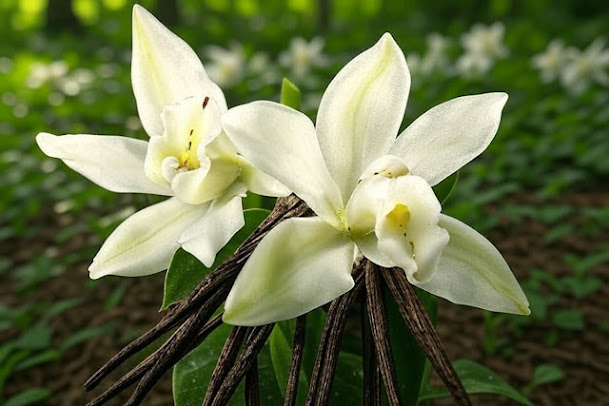
La vainillina, el compuesto responsable del icónico aroma y sabor de la vainilla, es uno de los sabores más queridos y reconocidos en todo el mundo. Se encuentra de forma natural en las vainas de la orquídea de vainilla (Vanilla planifolia), y la vainillina tiene una rica historia, un perfil químico fascinante y una presencia ubicua en la vida moderna, desde helados hasta perfumes. Descubramos qué hace tan especial a la vainillina, cómo se produce y por qué sigue cautivando nuestros sentidos.
¿Qué es la vainillina?
La vainillina (C₈H₈O₃) es un compuesto orgánico clasificado como un aldehído fenólico. Es el principal componente aromático de la vainilla, aunque el extracto natural de vainilla contiene más de 200 compuestos adicionales que contribuyen a su perfil complejo. En su forma pura, la vainillina aparece como cristales blancos en forma de aguja, con un aroma dulce y cremoso que es instantáneamente reconocible. Químicamente, consta de un anillo bencénico con tres grupos funcionales: un aldehído, un hidroxilo y un grupo metoxi, lo que le otorga tanto su sabor como su versatilidad.
Aunque la vainillina se encuentra de forma natural en las vainas de vainilla (representando aproximadamente el 1-2% de su peso seco), también se halla en pequeñas cantidades en otras plantas, como los clavos de olor, e incluso en la madera, donde es un subproducto de la descomposición de la lignina. Sin embargo, la gran mayoría de la vainillina utilizada hoy en día es sintética, lo que demuestra su popularidad y los desafíos de la producción natural de vainilla.
Breve historia de la vainilla y la vainillina
La historia de la vainilla comienza en Mesoamérica, donde los totonacas del actual México cultivaban la orquídea de vainilla mucho antes de la llegada de los europeos. Los aztecas la adoptaron después, usándola para aromatizar bebidas de chocolate. Cuando los conquistadores españoles llevaron la vainilla a Europa en el siglo XVI, se convirtió en un artículo de lujo, apreciado por su sabor y aroma exóticos.
Durante siglos, la vainilla fue un producto natural, extraído laboriosamente de las vainas de orquídea que requerían polinización manual y un largo proceso de curado. No fue hasta 1874 que los químicos alemanes Ferdinand Tiemann y Wilhelm Haarmann sintetizaron la vainillina a partir de alcohol coniferílico, un compuesto derivado de la corteza de pino. Este avance hizo que la vainillina fuera más accesible y asequible, allanando el camino para su uso generalizado en alimentos, cosméticos y más allá.
Cómo se produce la vainillina hoy en día
La producción natural de vainilla sigue siendo un arte, principalmente centrado en regiones como Madagascar, que suministra aproximadamente el 80% de las vainas de vainilla del mundo. El proceso es laborioso: las orquídeas florecen solo un día, requiriendo polinización manual, seguida de meses de curado para desarrollar el sabor. Esto hace que la vainilla natural sea costosa, solo superada por el azafrán entre las especias.
Para satisfacer la demanda mundial, la mayor parte de la vainillina se produce ahora sintéticamente. Hay dos métodos principales:
- A partir de petroquímicos: El guayacol, un compuesto derivado del petróleo, se transforma químicamente en vainillina. Este es el método más común y rentable.
- A partir de lignina: Un subproducto de la industria papelera, la lignina puede procesarse para obtener vainillina, ofreciendo una opción más sostenible vinculada a la producción de pulpa de madera.
En los últimos años, la biotecnología ha entrado en escena. Empresas utilizan microbios modificados genéticamente, como levaduras o bacterias, para fermentar azúcares y convertirlos en vainillina, imitando las rutas biosintéticas naturales. Esta “bio-vainillina” se comercializa como una alternativa más ecológica, aunque sigue siendo una pequeña fracción del mercado.
La vainillina en la vida cotidiana
Las aplicaciones de la vainillina son vastas. En la alimentación, es un saborizante básico en productos horneados, chocolates y bebidas, a menudo etiquetado como “sabor artificial de vainilla” cuando es sintética. Más allá del sabor, es un ingrediente clave en perfumes, donde sus notas cálidas y reconfortantes anclan muchas fragancias. Incluso tiene usos industriales, como enmascarar olores desagradables en productos farmacéuticos o actuar como intermediario químico en la fabricación.
Curiosamente, la vainillina no solo aporta sabor y aroma: tiene propiedades antioxidantes y antimicrobianas, lo que ha impulsado investigaciones sobre sus posibles beneficios para la salud. Sin embargo, estos efectos son modestos y se han estudiado principalmente en laboratorio, no como suplemento dietético.
Natural vs. sintética: el debate
El auge de la vainillina sintética ha generado debates entre los puristas. El extracto natural de vainilla ofrece una profundidad de sabor que la vainillina sintética no puede replicar completamente, gracias a esos más de 200 compuestos menores. Sin embargo, la vainillina sintética es consistente, asequible y escalable, factores clave en un mundo que consume más de 37,000 toneladas métricas de vainillina al año, mucho más que las 2,000 toneladas de vainilla natural producidas.
La sostenibilidad añade otra capa. El cultivo de vainilla sostiene medios de vida en regiones tropicales, pero es vulnerable al cambio climático y la volatilidad de los precios. La producción sintética, aunque eficiente, suele depender de combustibles fósiles, aunque los métodos biológicos están ganando terreno como alternativas ecológicas.
Curiosidades sobre la vainillina
- Conexión con los castores: El castóreo, una secreción de los castores, contiene compuestos similares a la vainillina y se usó históricamente como saborizante, aunque hoy es raro.
- Aroma espacial: Algunos astronautas afirman que el olor del espacio se asemeja al azúcar quemado o la vainilla, posiblemente debido a moléculas similares a la vainillina presentes en el polvo cósmico.
- Sabor sin color: A pesar de que asociamos la vainilla con postres cremosos y blancos, la vainillina pura es incolora; el tono marrón del extracto de vainilla proviene de otros compuestos.
El futuro de la vainillina
A medida que crece la demanda de productos naturales y sostenibles, la historia de la vainillina evoluciona. Las innovaciones en biotecnología podrían cerrar la brecha entre lo natural y lo sintético, ofreciendo sabores que rivalicen con los originales sin la huella ambiental. Mientras tanto, los agricultores de vainilla se están adaptando con prácticas agroforestales y de comercio justo para mantener viva la tradición.
La vainillina, ya provenga de una vaina de orquídea o de un reactor de laboratorio, sigue siendo un testimonio de la ingeniosidad humana y nuestro amor por lo dulce. La próxima vez que disfrutes una bola de helado de vainilla o percibas el aroma de una vela acogedora, tómate un momento para apreciar la ciencia y la historia contenidas en esa pequeña molécula. Es un sabor que lleva siglos en desarrollo… y que no desaparecerá pronto.

Thursday, May 8, 2025

Ethyl Vanillin: A Comprehensive Overview
Ethyl vanillin is a synthetic aromatic compound prized for its powerful vanilla-like aroma and flavor. It is widely used in the food, fragrance, and pharmaceutical industries, offering a more intense and stable alternative to natural vanilla. This article explores the chemistry, properties, applications, safety, and market significance of ethyl vanillin.
Chemical Structure and Properties
Ethyl vanillin, chemically known as 3-ethoxy-4-hydroxybenzaldehyde, has the molecular formula C9H10O3 and a molecular weight of 168.18 g/mol. Structurally, it is a close analog of vanillin, the primary flavor component of vanilla beans, but differs by having an ethoxy group (-OCH2CH3) instead of a methoxy group (-OCH3). This small structural change significantly enhances its flavor intensity and stability.
Ethyl vanillin appears as a fine white or slightly yellow crystalline powder with a strong, sweet vanilla odor. It is soluble in alcohol, chloroform, ether, propylene glycol, and alkali hydroxide solutions. Its melting point ranges from 76°C to 78°C. The compound is highly pure when produced commercially, with a typical assay of at least 98%.
Synthesis and Production
Unlike vanillin, which can be obtained naturally from vanilla beans, ethyl vanillin is exclusively synthesized. The most common method starts with catechol, which is ethylated to form guaethol. Guaethol then undergoes condensation with glyoxylic acid, followed by oxidation and decarboxylation, to yield ethyl vanillin. This synthetic route ensures consistent quality and supply, making ethyl vanillin a reliable ingredient for industrial use.
Key Applications
Food and Beverage Industry
Ethyl vanillin is about three times as potent as vanillin, allowing manufacturers to use less of it to achieve the same or even stronger flavor effects. It is widely used to impart a rich, sweet vanilla flavor in:
- Chocolates and confectionery
- Baked goods and biscuits
- Ice creams and dairy products
- Instant noodles and flavored sugars
- Beverages, including soft drinks and flavored milks
Its stability under heat and storage conditions makes it especially valuable in processed foods.
Fragrance and Personal Care
Ethyl vanillin’s warm, creamy aroma is highly valued in perfumery and personal care products. It is used in:
- Perfumes and colognes (notably, it was a key innovation in classic fragrances like Guerlain’s Shalimar)
- Soaps, lotions, and creams
- Candles and aromatherapy products
Its ability to mask undesirable odors also makes it useful in deodorants and other hygiene products.
Pharmaceuticals
In the pharmaceutical industry, ethyl vanillin is used to mask the bitter or unpleasant taste of certain medicines, especially in syrups and pediatric formulations. Its pleasant flavor improves patient compliance, particularly among children.
Other Uses
- Animal feed: As a flavoring and nutritional enhancer
- Chemical intermediate: Used in the synthesis of other fine chemicals and specialty ingredients
Advantages Over Natural Vanillin
| Feature | Ethyl Vanillin | Vanillin |
|---|---|---|
| Source | Synthetic only | Natural & synthetic |
| Potency | 3x stronger | Baseline |
| Cost Efficiency | More flavor per unit | Less concentrated |
| Aroma Profile | Sweeter, creamier, more intense | Classic vanilla |
| Stability | High | Moderate |
Because of its higher potency and stability, ethyl vanillin is often the preferred choice in applications where cost, consistency, and long shelf life are crucial.
Safety and Regulatory Status
Ethyl vanillin is recognized as safe for use in food by international authorities such as the FAO/WHO Joint Expert Committee on Food Additives (JECFA) and complies with standards set by the Food Chemical Codex (FCC) and the European Union. It is not derived from genetically modified organisms and contains no animal products, making it suitable for vegetarian and vegan products.
Proper storage is essential for maintaining its quality: ethyl vanillin should be kept in a cool, dark place, away from moisture and oxidizing agents, with a typical shelf life of two years when stored correctly.
Conclusion
Ethyl vanillin is a versatile, high-impact flavor and fragrance ingredient that has revolutionized the way vanilla flavor is delivered in foods, fragrances, and pharmaceuticals. Its superior potency, stability, and cost-effectiveness make it an indispensable tool for manufacturers worldwide. As consumer demand for consistent and intense flavors grows, ethyl vanillin’s role in the global flavor and fragrance industry is set to remain significant.

Saturday, May 3, 2025

¿Qué es el etil maltol?
¿Cómo se utiliza?
¿Es seguro?
Descripción integral del etil maltol
Contexto histórico y definición
Propiedades químicas y estructura
Síntesis
Composición y perfil nutricional
Aplicaciones en distintas industrias
Seguridad y consideraciones sanitarias
Desarrollos recientes y tendencias de mercado
Conclusión


Lezzetler endüstrisi, küresel gıda ve içecek pazarının merkezinde yer alan, dinamik ve çok milyar dolarlık bir sektördür. Gazlı içeceklerden atıştırmalıklara kadar her şeyi tanımlayan tat deneyimlerini yaratan bu endüstri; değişen tüketici tercihleri, teknolojik gelişmeler ve doğal ile otantik içeriklere yönelik artan taleple şekillenmektedir.
Pazar Genel Görünümü ve Büyüme
Küresel lezzetler pazarı, 2024 yılında yaklaşık 16–20 milyar ABD doları değerindeydi ve önümüzdeki on yıl boyunca yıllık bileşik büyüme oranının (CAGR) %5–6 olması beklenmektedir. Bu büyümenin başlıca nedenleri şunlardır:
- İşlenmiş ve paketli gıdalara olan talebin artması
- Tüketicilerin yeni, egzotik ve etnik tatlara ilgisinin yükselmesi
- Doğal ve temiz etiketli içeriklere yönelim
- Gıda hizmetleri ve hazır yemek sektörlerinin genişlemesi
Givaudan S.A., International Flavors & Fragrances (IFF), Firmenich, Symrise AG ve Sensient Technologies Corporation gibi büyük oyuncular küresel pazara hakimdir. Bunun yanında, çok sayıda küçük ölçekli firma da niş pazarlar ve bölgesel spesiyaliteler için hizmet vermektedir.
Sektörü Şekillendiren Temel Trendler
1. Doğal ve Temiz Etiketli İçerikler
Tüketiciler, tanıdık ve minimum düzeyde işlenmiş içeriklere sahip gıda ve içecekleri giderek daha fazla tercih ediyor. Bu durum, meyve, sebze, ot ve baharatlardan elde edilen doğal lezzetlere olan talebi artırıyor. Yapay aromalar ise daha fazla sorgulanıyor; üreticiler ürünlerini yeniden formüle ederek kaynak şeffaflığı ve sürdürülebilirliğe vurgu yapıyor.
2. Küresel ve Bölgesel Lezzet Keşfi
Küreselleşme ve artan seyahatler, tüketicileri özgün ve bölgesel tatları aramaya yönlendiriyor-genel “İtalyan” ya da “Meksika” yerine Sichuan biberi veya Peru ceviche’si gibi spesifik tatlar öne çıkıyor. Sosyal medya, yemek programları ve bloglar bu trendi daha da güçlendiriyor.
3. Fonksiyonel ve Sağlık Odaklı Lezzetler
Bitki bazlı diyetler ve fonksiyonel gıdalardaki artış (adaptogen veya probiyotik içerenler gibi), istenmeyen tatları maskeleyen ve aynı zamanda lezzeti artıran aromalara talebi artırıyor. Tüketiciler, sağlık faydaları ile keyfi dengeleyen ürünler istiyor; bu da lezzet oluşturma ve sunumunda inovasyonu teşvik ediyor.
4. Botanik ve Çiçeksi Lezzetler
Lavanta, gül ve menekşe gibi çiçeksi ve botanik aromalar, özellikle fırıncılık ve şekerleme ürünlerinde nişten ana akıma taşındı. Bu aromalar genellikle meyvelerle eşleştirilerek sağlıklı yaşamı önemseyen tüketicilere hitap eden doğal lezzet profilleri yaratıyor.
5. Doku ve Çoklu Duyusal Deneyimler
Tat dışında, doku ve aroma da lezzet inovasyonunda giderek daha önemli hale geliyor. Ekstraksiyon ve enkapsülasyon teknolojilerindeki ilerlemeler, üreticilerin daha otantik ve yoğun duyusal deneyimler sunmasını sağlıyor; bu da yenilik ve keyif arayan tüketicilere hitap ediyor.
Gıda ve İçecek Sektöründe Uygulamalar
Lezzetler, şu ürünlerde vazgeçilmezdir:
- İçecekler (gazlı içecekler, enerji içecekleri, aromalı sular)
- Süt ürünleri (yoğurtlar, dondurmalar)
- Şekerleme ve fırıncılık ürünleri
- Tuzlu atıştırmalıklar ve hazır yemekler
- Fonksiyonel gıdalar, takviyeler ve bitki bazlı alternatifler
Gıda endüstrisinde lezzetler sadece tadı artırmakla kalmaz; fonksiyonel içeriklerdeki istenmeyen notaları maskelemeye, raf ömrünü uzatmaya ve ürün farklılaştırmasına da yardımcı olur.
Bölgesel İçgörüler
- Kuzey Amerika: Hızlı inovasyon, cesur ve maceracı tatlara talep, bitki bazlı alternatiflere ilgi.
- Avrupa: Doğal, alerjen içermeyen ve azaltılmış şekerli formülasyonlara odaklanma, bölgesel mutfak geleneklerinin etkisi.
- Asya Pasifik: Çeşitli mutfaklar, kentleşme ve artan harcanabilir gelirlerle hızlı büyüme; hem geleneksel hem yenilikçi tatlara talep.
- Orta Doğu & Afrika: Kentleşme ve değişen yaşam tarzlarıyla işlenmiş gıda ve içeceklerde genişleme.
Rekabet Ortamı ve İnovasyon
Sonuç

Monday, April 21, 2025

Extractos naturales y aceites esenciales se han convertido en componentes fundamentales en diversas industrias, incluyendo la alimentaria, cosmética y de bienestar. Sus sabores, aromas y propiedades terapéuticas únicas no solo enriquecen la oferta de productos, sino que también responden a la creciente demanda de los consumidores por ingredientes naturales. Este artículo ofrece perfiles detallados de extractos naturales y aceites esenciales específicos, cubriendo su origen, beneficios y aplicaciones.
¿Qué son los extractos naturales y los aceites esenciales?
Los extractos naturales son formas concentradas de sabor o fragancia derivadas de plantas. Se pueden obtener mediante varios métodos de extracción, como la destilación, la extracción con solventes o el prensado en frío. Estos extractos capturan la esencia de la planta, proporcionando un perfil de sabor rico sin aditivos sintéticos.
Los aceites esenciales son compuestos volátiles extraídos de diferentes partes de las plantas, incluyendo flores, hojas, tallos y raíces. Generalmente se obtienen mediante destilación al vapor o prensado en frío y se reconocen por su potente aroma y posibles beneficios para la salud.
Ingredientes destacados
1. Extracto de lavanda
Origen: La lavanda (Lavandula angustifolia) se obtiene principalmente de regiones de Francia y Bulgaria.
Beneficios: Conocido por sus propiedades calmantes, el extracto de lavanda se usa a menudo en aromaterapia para reducir la ansiedad y promover la relajación. También posee propiedades antimicrobianas.
Aplicaciones: Se encuentra comúnmente en cosméticos, productos de cuidado personal y usos culinarios como tés de hierbas y postres.
2. Aceite de menta
Origen: La menta (Mentha × piperita) se cultiva en climas templados de todo el mundo, especialmente en EE. UU. y Europa.
Beneficios: El aceite de menta es reconocido por su aroma vigorizante y beneficios digestivos. Puede ayudar a aliviar dolores de cabeza y mejorar la concentración.
Aplicaciones: Ampliamente utilizado en saborizantes alimentarios (caramelos, tés), cosméticos (pasta dental, lociones) y productos terapéuticos.
3. Extracto de vainilla
Origen: La vainilla (Vanilla planifolia) se obtiene principalmente de Madagascar y México. El proceso de extracción implica el curado de las vainas para desarrollar su sabor.
Beneficios: El extracto de vainilla no solo aporta un sabor dulce, sino que también tiene propiedades antioxidantes que pueden mejorar el bienestar general.
Aplicaciones: Esencial en repostería, postres, bebidas y perfumería.
4. Aceite de eucalipto
Origen: El eucalipto (Eucalyptus globulus) se cosecha principalmente en Australia, aunque también se cultiva en otras regiones con climas adecuados.
Beneficios: El aceite de eucalipto es conocido por sus beneficios respiratorios; puede ayudar a despejar la congestión y tiene propiedades antisépticas.
Aplicaciones: Comúnmente utilizado en jarabes para la tos, inhaladores, mezclas de aromaterapia y productos de limpieza.
5. Aceites cítricos (limón y naranja)
Origen: Los cítricos se obtienen de regiones tropicales y subtropicales de todo el mundo; los aceites de limón (Citrus limon) y naranja (Citrus sinensis) se extraen de sus cáscaras.
Beneficios: Los aceites cítricos son refrescantes y estimulantes; poseen propiedades antibacterianas y pueden mejorar el estado de ánimo.
Aplicaciones: Se utilizan extensamente en saborizantes alimentarios (aderezos, bebidas), productos de limpieza y aromaterapia.
Beneficios de usar extractos naturales y aceites esenciales
- Perfiles de sabor mejorados: Los extractos naturales aportan sabores auténticos que pueden realzar las creaciones culinarias sin aditivos sintéticos.
- Beneficios para la salud: Muchos aceites esenciales ofrecen propiedades terapéuticas que pueden apoyar el bienestar cuando se usan adecuadamente.
- Atractivo para el consumidor: A medida que los consumidores buscan cada vez más ingredientes naturales, incorporar estos extractos en los productos puede mejorar su comercialización.
- Versatilidad: Estos ingredientes pueden utilizarse en diversas aplicaciones, desde alimentos hasta cuidado personal, lo que los hace valiosos para los fabricantes.
Consideraciones al momento de adquirir extractos naturales y aceites esenciales
- Aseguramiento de la calidad: Asegúrese de que los proveedores ofrezcan productos de alta calidad que cumplan con los estándares de pureza y autenticidad. El análisis de perfil mediante técnicas como la cromatografía de gases-espectrometría de masas (GC-MS) puede confirmar la composición de los aceites esenciales.
- Prácticas sostenibles: Busque proveedores que sigan prácticas de recolección sostenibles para proteger las especies vegetales y los ecosistemas.
- Cumplimiento normativo: Tenga en cuenta las regulaciones que rigen el uso de extractos naturales en alimentos o cosméticos para garantizar el cumplimiento de las normas de seguridad.

Conclusión

Friday, April 18, 2025

The flavors industry is a dynamic, multi-billion-dollar sector at the heart of the global food and beverage market. Responsible for creating the taste experiences that define everything from soft drinks to snacks, the industry is shaped by evolving consumer preferences, technological advancements, and a growing demand for natural and authentic ingredients.
Market Overview and Growth
The global flavors market was valued at approximately USD 16–20 billion in 2024 and is projected to grow at a compound annual growth rate (CAGR) of 5–6% through the next decade. This growth is driven by several factors:
- Rising demand for processed and packaged foods
- Increasing consumer interest in novel, exotic, and ethnic flavors
- The shift towards natural and clean-label ingredients
- Expansion of the food service and ready-to-eat sectors
Major players such as Givaudan S.A., International Flavors & Fragrances (IFF), Firmenich, Symrise AG, and Sensient Technologies Corporation dominate the global landscape, while numerous smaller companies cater to niche markets and regional specialties.
Key Trends Shaping the Industry
2. Global and Regional Flavor Exploration
Globalization and increased travel have inspired consumers to seek out authentic, regional flavors—moving beyond generic "Italian" or "Mexican" to specific tastes like Sichuan peppercorn or Peruvian ceviche. Social media, cooking shows, and food blogs further amplify this trend, encouraging culinary experimentation at home.
3. Functional and Health-Driven Flavors
The rise of plant-based diets and functional foods (such as those with adaptogens or probiotics) is fueling demand for flavors that enhance taste while masking undesirable notes. Consumers want indulgence balanced with health benefits, driving innovation in both flavor creation and delivery methods.
4. Botanical and Floral Flavors
Floral and botanical flavors—such as lavender, rose, and violet—have moved from niche to mainstream, especially in bakery and confectionery products. These flavors are often paired with fruit to create unique, natural-tasting profiles that appeal to health-conscious consumers.
5. Texture and Multi-Sensory Experiences
Beyond taste, texture and aroma are becoming integral to flavor innovation. Advances in extraction and encapsulation technologies allow manufacturers to deliver more authentic and intense sensory experiences, catering to consumers' desire for novelty and indulgence.
Applications Across Food and Beverage
- Beverages (soft drinks, energy drinks, flavored waters)
- Dairy products (yogurts, ice creams)
- Confectionery and bakery goods
- Savory snacks and ready meals
- Functional foods, supplements, and plant-based alternatives
Regional Insights
- North America: Fast-paced innovation, strong demand for bold and adventurous flavors, and a growing interest in plant-based alternatives.
- Europe: Focus on natural, allergen-free, and reduced-sugar formulations, with regional culinary traditions influencing preferences.
- Asia Pacific: Rapid growth fueled by diverse cuisines, urbanization, and rising disposable incomes, with both traditional and innovative flavors in demand.
- Middle East & Africa: Expansion in processed foods and beverages, driven by urbanization and changing lifestyles.
Competitive Landscape and Innovation
Conclusion

Tuesday, April 15, 2025

Vanillin, the primary flavor compound in vanilla beans, has become one of the world's most widely used flavoring agents. While natural vanilla extract commands premium prices, synthetic vanillin offers a cost-effective alternative that meets the growing global demand. This article explores the bulk vanillin market, its production methods, supply chain considerations, and emerging trends.
What is Vanillin?
Vanillin (4-hydroxy-3-methoxybenzaldehyde) is the primary flavor compound that gives vanilla its characteristic taste and aroma. While natural vanilla extract contains hundreds of compounds, vanillin is the most prominent and recognizable. Synthetic vanillin is chemically identical to natural vanillin but produced through various industrial processes.
Production Methods
Bulk vanillin is produced through several methods:
- Lignin-based production: Derived from wood pulp byproducts in paper manufacturing
- Guaiacol process: Chemical synthesis using petroleum-derived guaiacol as a starting material
- Bioconversion: Using microorganisms to transform other compounds like ferulic acid or eugenol
- Natural extraction: Limited quantities extracted from vanilla beans, primarily for premium applications
The petrochemical route dominates commercial production due to its cost-effectiveness and scalability.
Market Structure and Supply Chain
The bulk vanillin market features several key players operating globally, with significant production capacity in China, Europe, and North America. The supply chain typically involves:
- Raw material sourcing (petroleum derivatives, lignin, or other precursors)
- Chemical synthesis at industrial scale
- Purification and quality control testing
- Packaging in various formats for industrial customers
- Distribution to flavor houses, food manufacturers, and other end-users
Quality Specifications and Packaging
Industrial vanillin is typically available in different grades:
- Food grade (meeting FCC, USP, or equivalent standards)
- Pharmaceutical grade (higher purity requirements)
- Technical grade (for non-food applications)
Bulk packaging options commonly include:
- 25kg fiber drums with polyethylene liners
- 25kg paper bags with moisture barriers
- 500kg or 1000kg super sacks for large-volume users
- Custom packaging for specialized applications
Applications
Bulk vanillin finds use across multiple industries:
- Food and beverage (baked goods, confectionery, dairy, beverages)
- Fragrance and personal care products
- Pharmaceuticals (flavor masking)
- Household products
- Agricultural applications
Market Trends and Developments
The bulk vanillin market continues to evolve with several noteworthy trends:
- Increasing demand for "natural" vanillin produced through bioconversion rather than chemical synthesis
- Growing interest in sustainability and environmentally conscious production methods
- Development of vanillin derivatives with enhanced properties
- Efforts to create clean-label alternatives with similar sensory profiles
Supply Challenges and Considerations
Procurement professionals sourcing bulk vanillin should consider:
- Price volatility tied to petroleum feedstock fluctuations
- Regulatory compliance across different markets
- Sensory performance in specific applications
- Stability during storage and processing
- Supply chain transparency and sustainability initiatives
As consumer preferences continue to evolve, manufacturers are increasingly seeking vanillin suppliers that can provide not only competitive pricing but also technical expertise, quality assurance, and sustainability credentials.
The bulk vanillin market represents a critical component of the global flavor industry, balancing economic considerations with the ever-growing demand for consistent, high-quality flavoring solutions across multiple sectors.


Social Media